
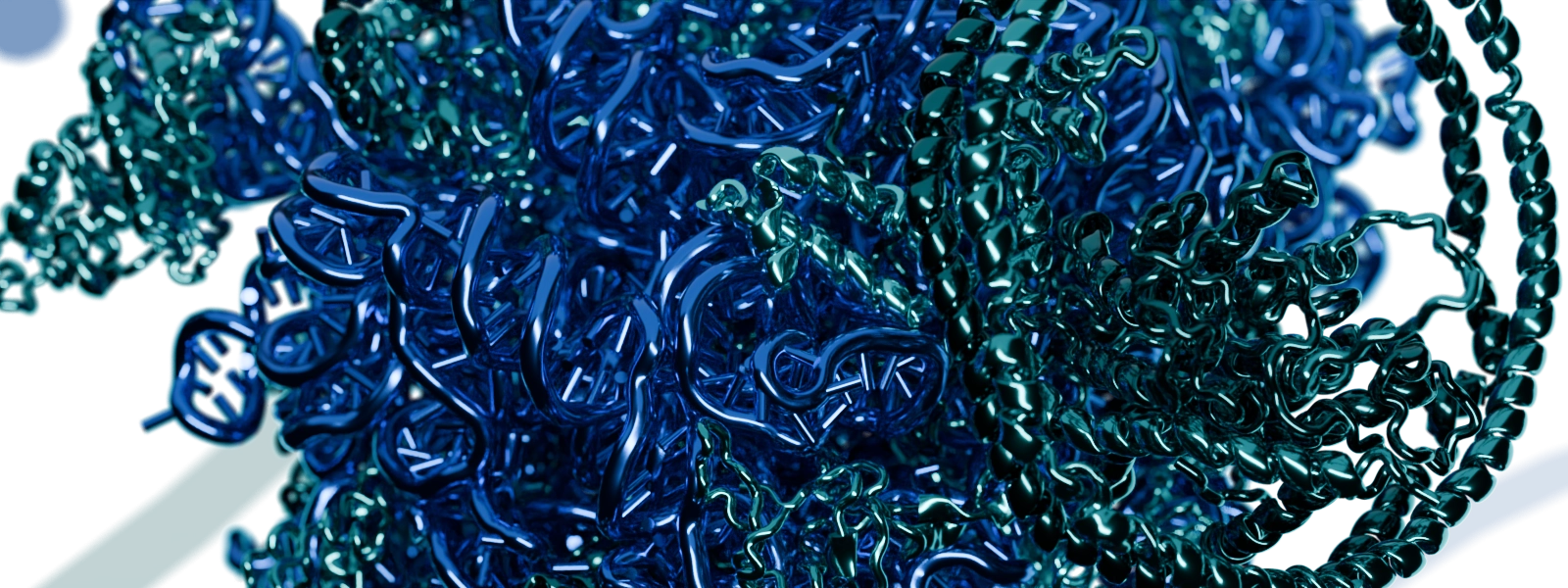
From biomolecular structure and function to programmable life
We develop de novo protein design methods for therapeutic and biotechnological applications, advance structural biology methods for high-throughput structure determination and extraction of dynamics from experimental data, and work toward the long term goal of predicting and designing biomolecular interactions across scales: from individual molecules to cells, tissues, and eventually entire organisms.
Research themes
Dynamics from real data
We extract structural heterogeneity from experimental data to describe real biomolecular dynamics.
Programmable interaction design
We build user-friendly tools for designing biomolecular interactions for research and therapeutic applications.
Toward de novo designed life
Our blue sky vision is the simulation and design of artificial cells, organisms, and programmable biology.
In silico
Biomolecular and biological principles are extremely complex. We therefore develop computational methods to help us to more effectively describe, simulate, and repurpose them for both research and therapeutic use.
In vitro
Almost anything can be modelled in the computer, but it only has value if we can prove it in reality. We use biochemical, biophysical, and structural methods (cryoEM and X-tal) to validate and analyse the molecular systems we work with or design.
In vivo
We strongly believe in the power of de novo design for therapy. To faciliate more efficient translation, we utilise cellular systems, tissues, and mammalian models to evaluate the properties of designed proteins in complex environments.