

BindCraft2: the next generation of de novo protein binder design
Out now

BindCraft2

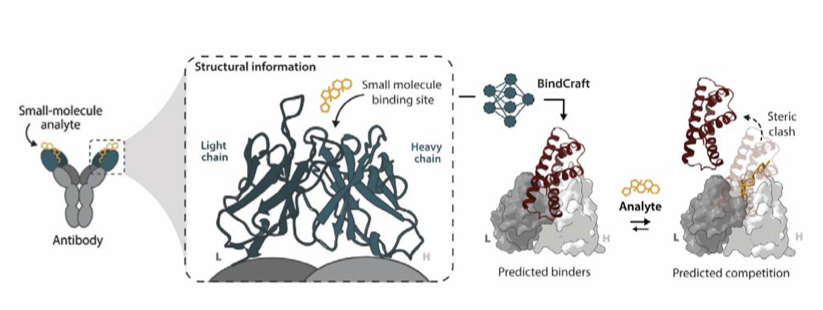
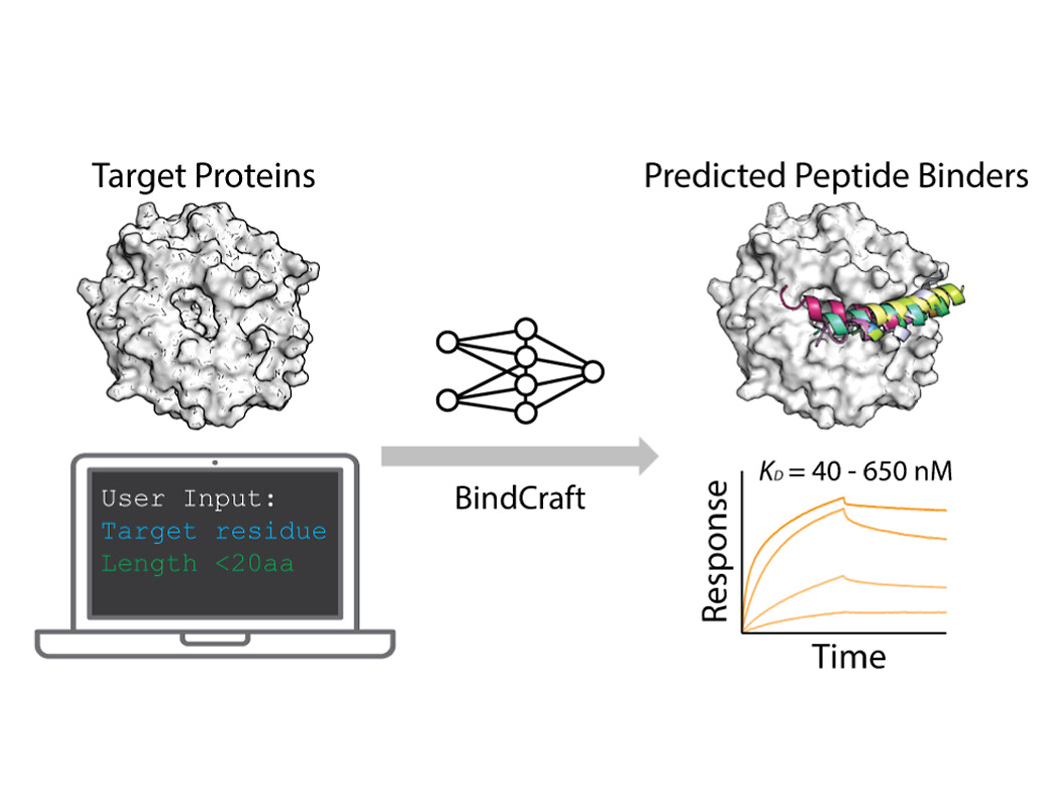
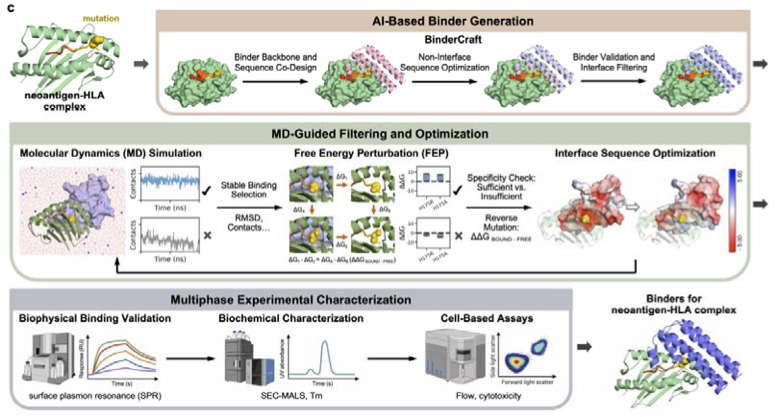
BindCraft2 is the next generation of our platform for user-friendly de novo protein binder design. Like the original, it was built to make binder design easy and accessible to non-experts, without requiring high-throughput screening. It is far more computationally-efficient and unlocks a range of design modalities, such as miniproteins, peptides, VHHs, and antibodies, together with powerful multi-target optimisation and therapeutically-relevant design objectives.

Using BindCraft2 we want to push computational design toward a future where engineering biomolecular interactions becomes a routine skill in every biologist's toolbox, with standardised protocols and outputs that can be used both in basic research and therapeutic applications.

Why make a sequel

The first BindCraft made de novo binder design accessible to biological labs without computational expertise and screening pipelines. BindCraft2 builds on that, but also removes the barriers that kept many projects out of reach, such as compute cost, runtime, and a narrow range of targets and binder formats.

Democratise binder design for every lab, not just specialists
Automated and easy to use, with minimal human input
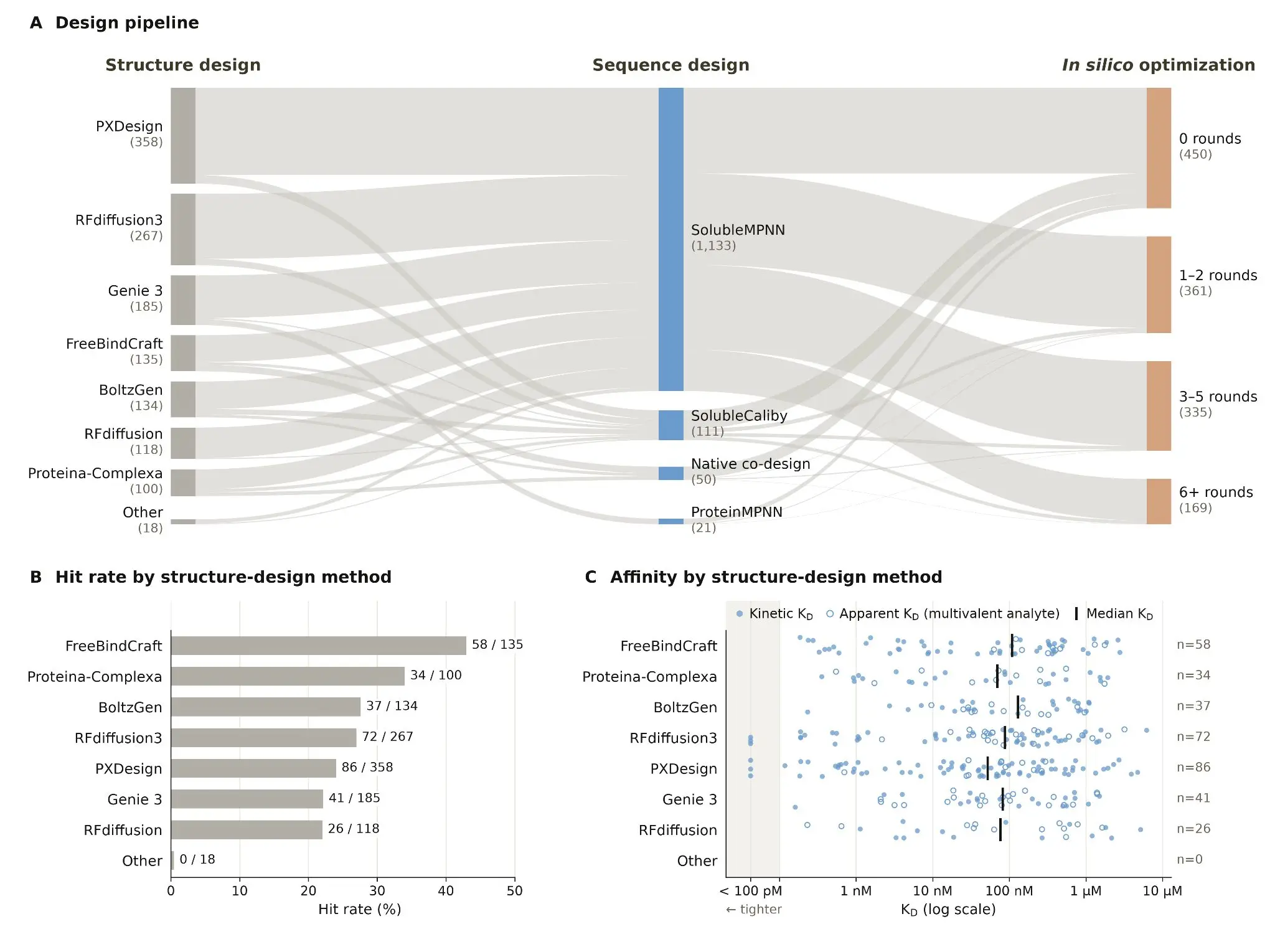
Optimized for experimental success, not just hacking in silico scores
Open source and free for academic and industry use (except hosting services)
Designed to slot into both discovery research and therapeutic pipelines
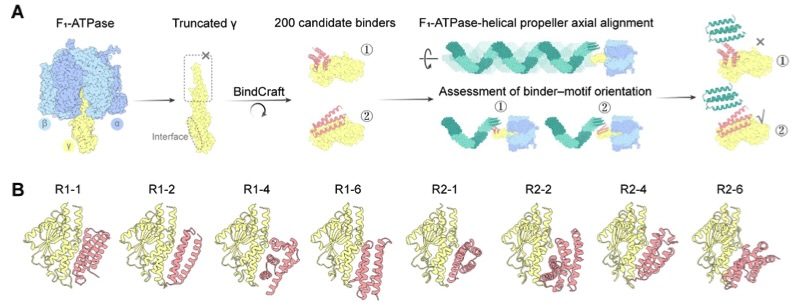
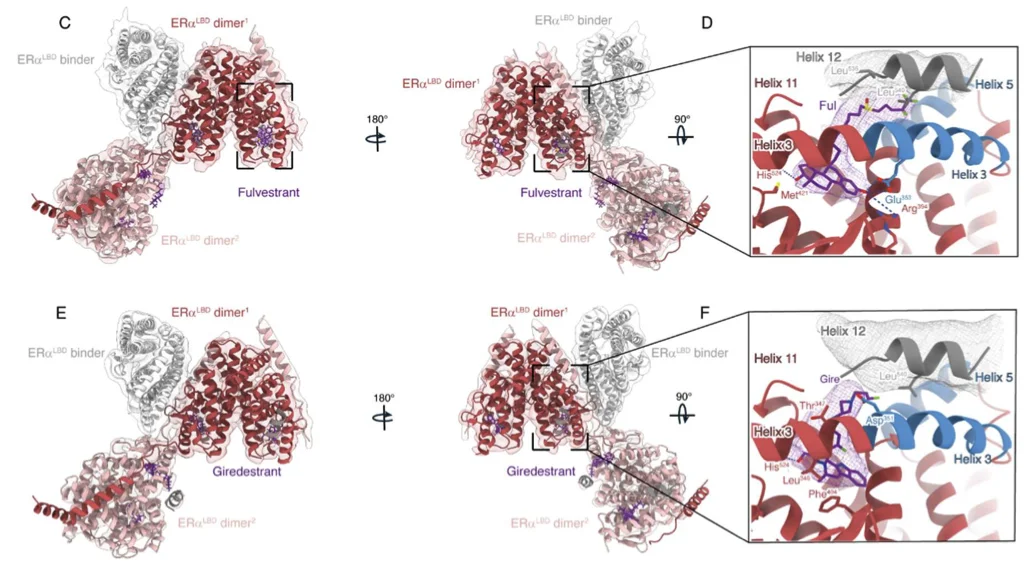
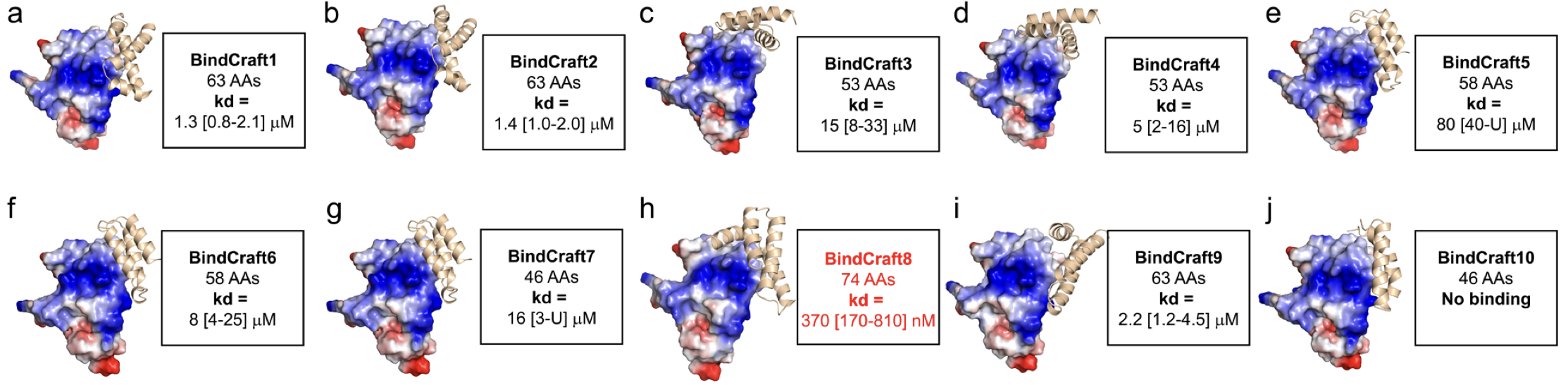
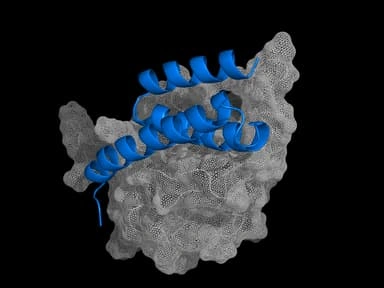
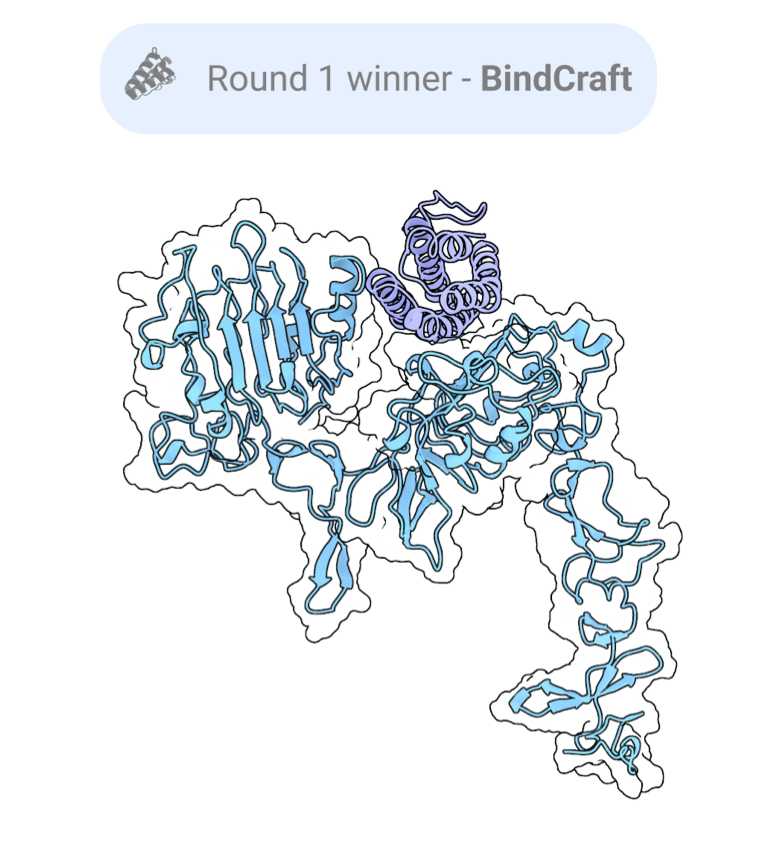
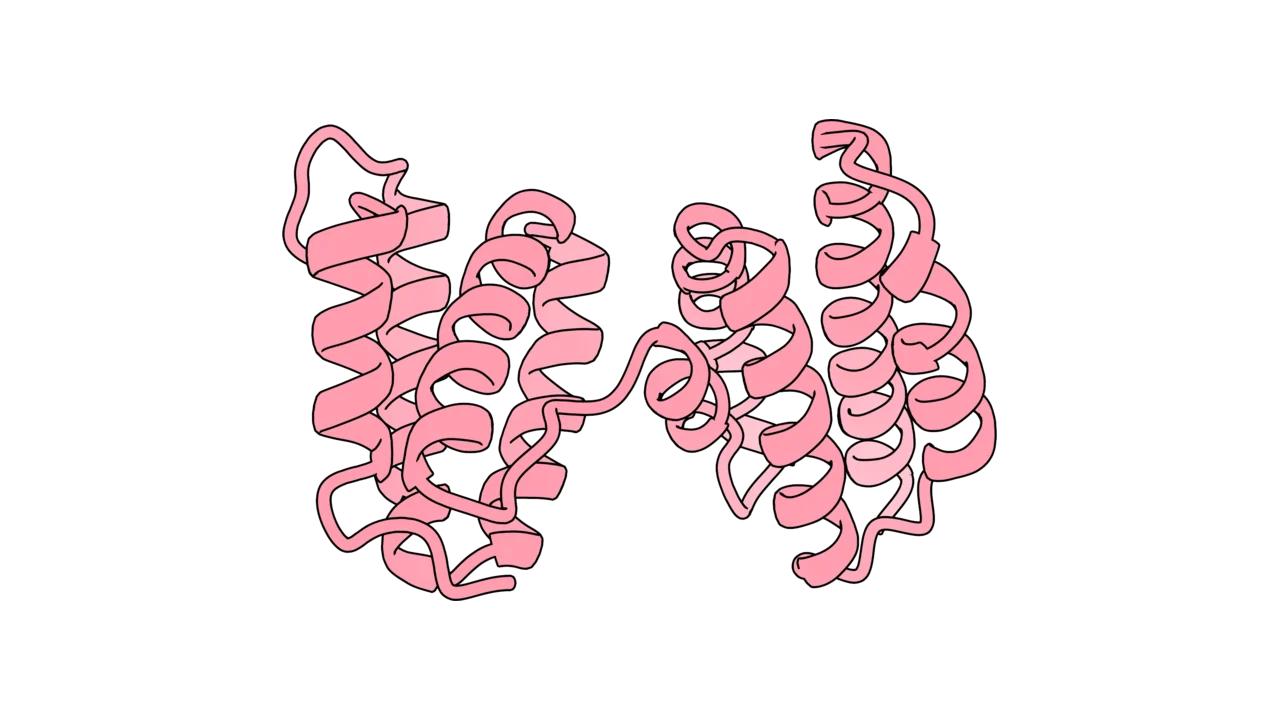
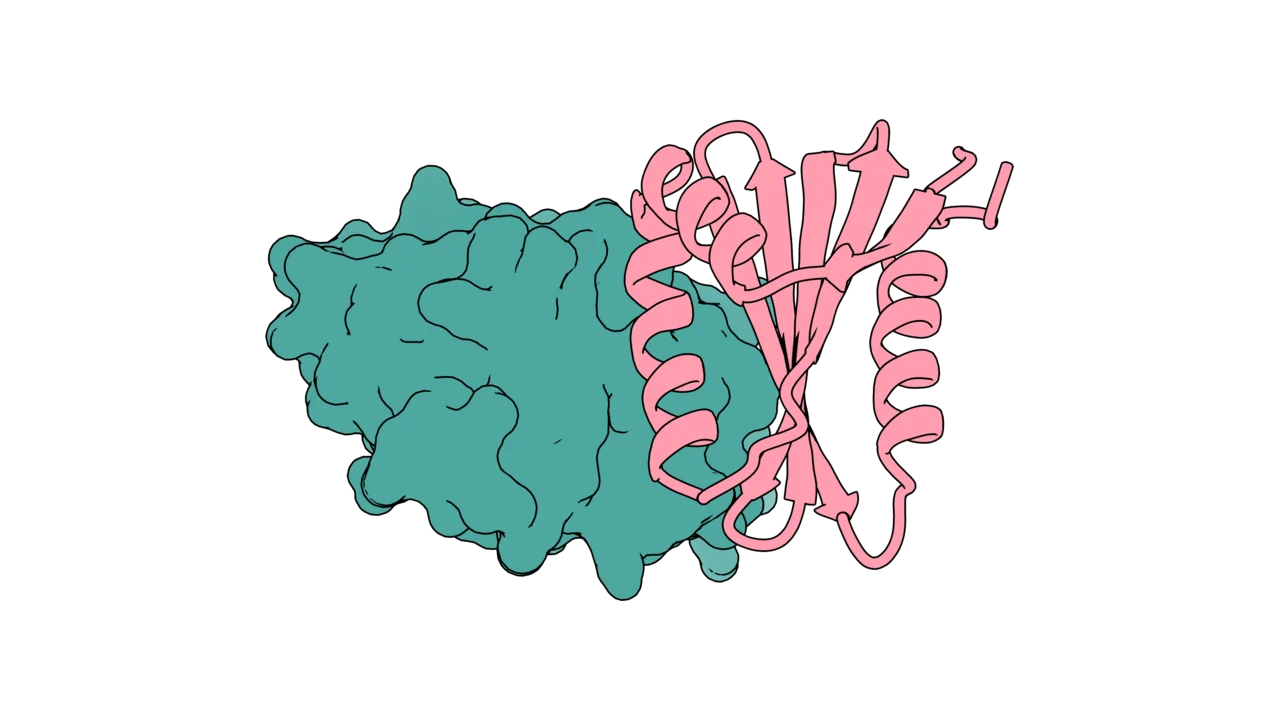
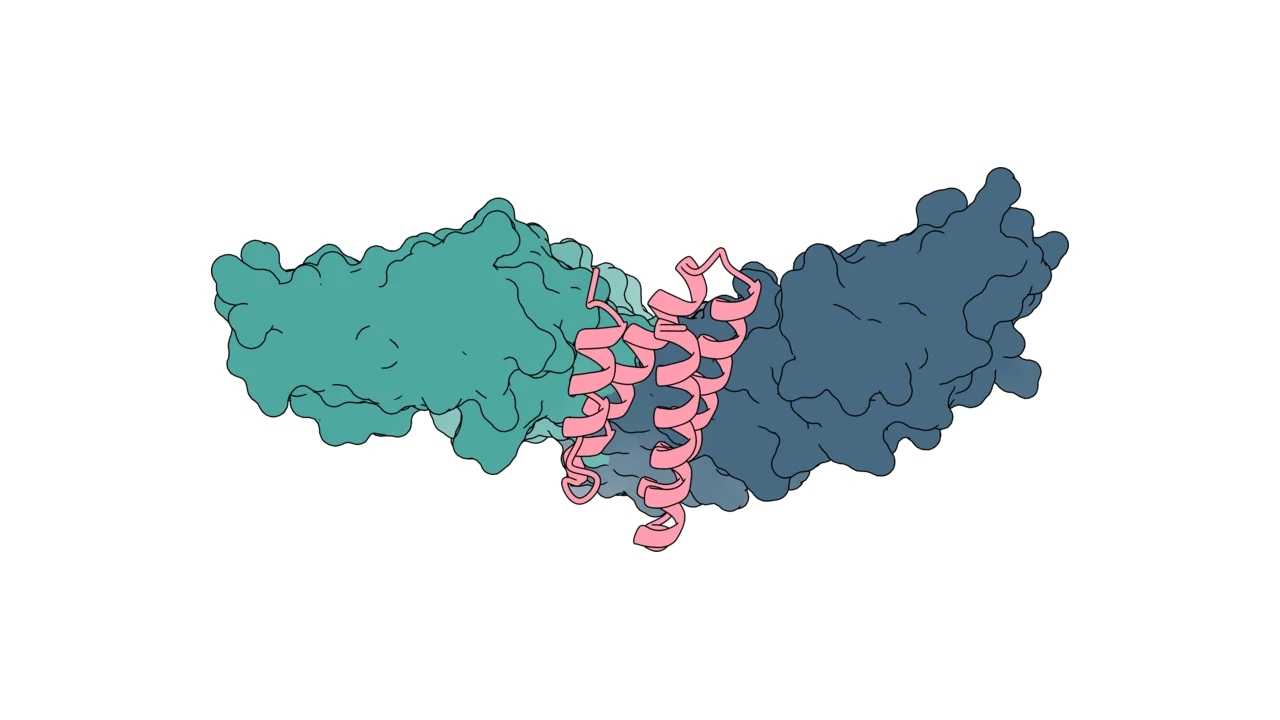
BindCraft2 can design large rigid binder modalities for structural biology and imaging applications.

One pipeline, many possibilities

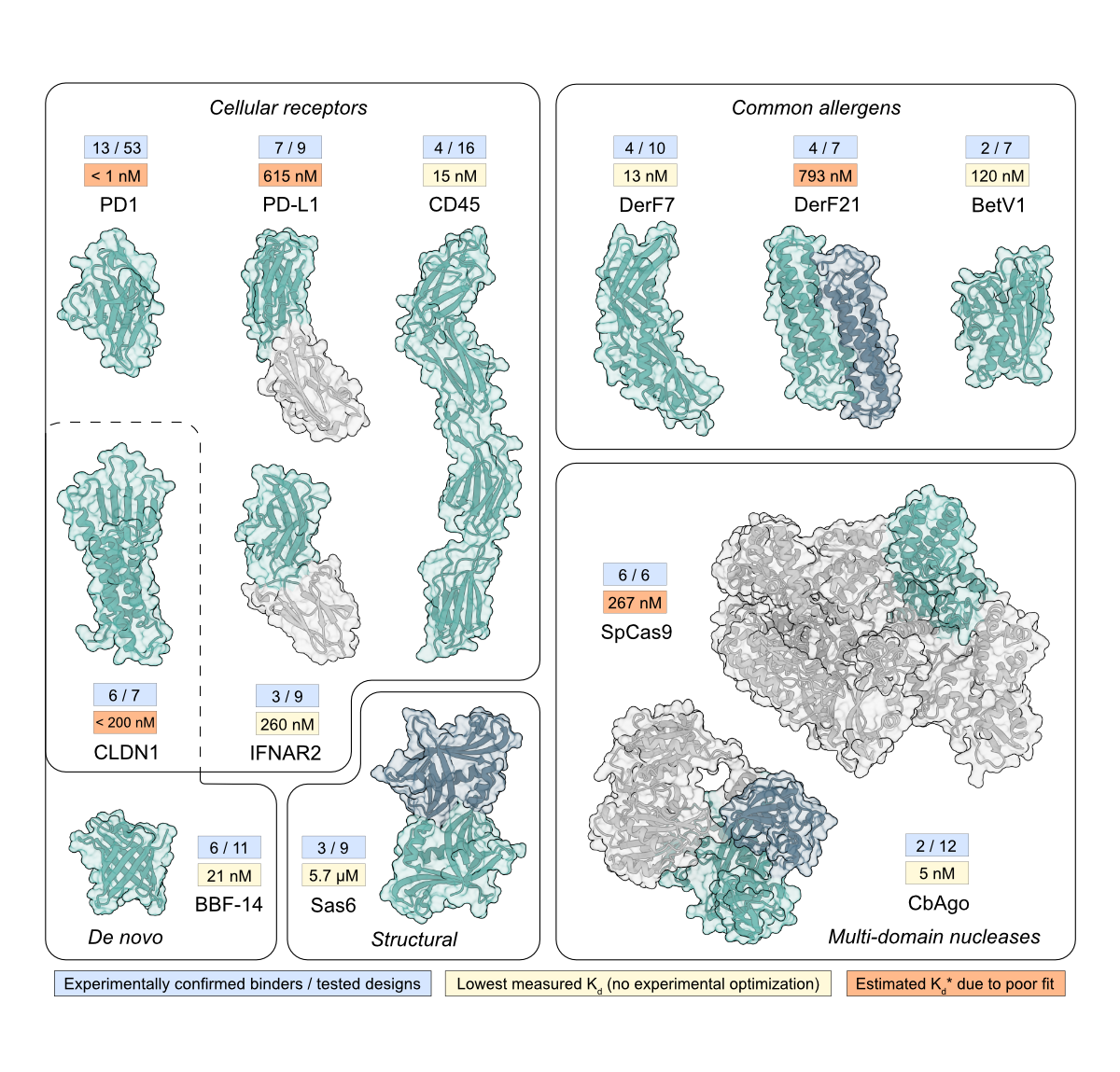
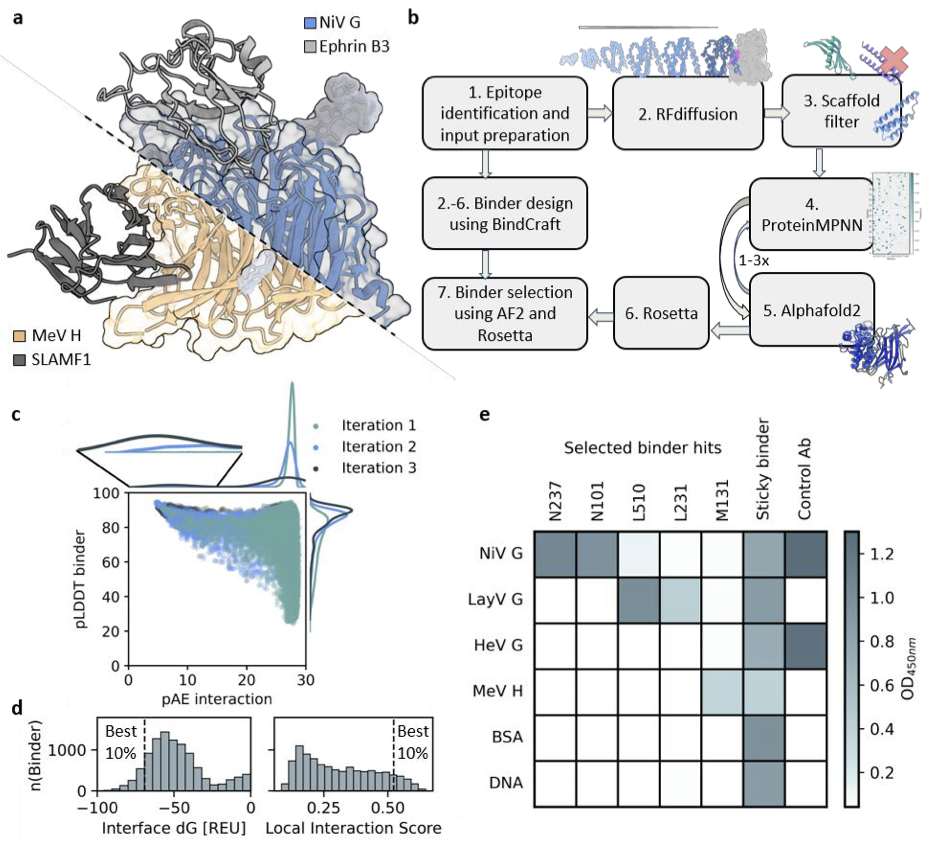
The real strength of BindCraft2 is its versatility. One automated pipeline covers a wide span of target types, binder formats and downstream goals, so you rarely need a different tool for a different job.

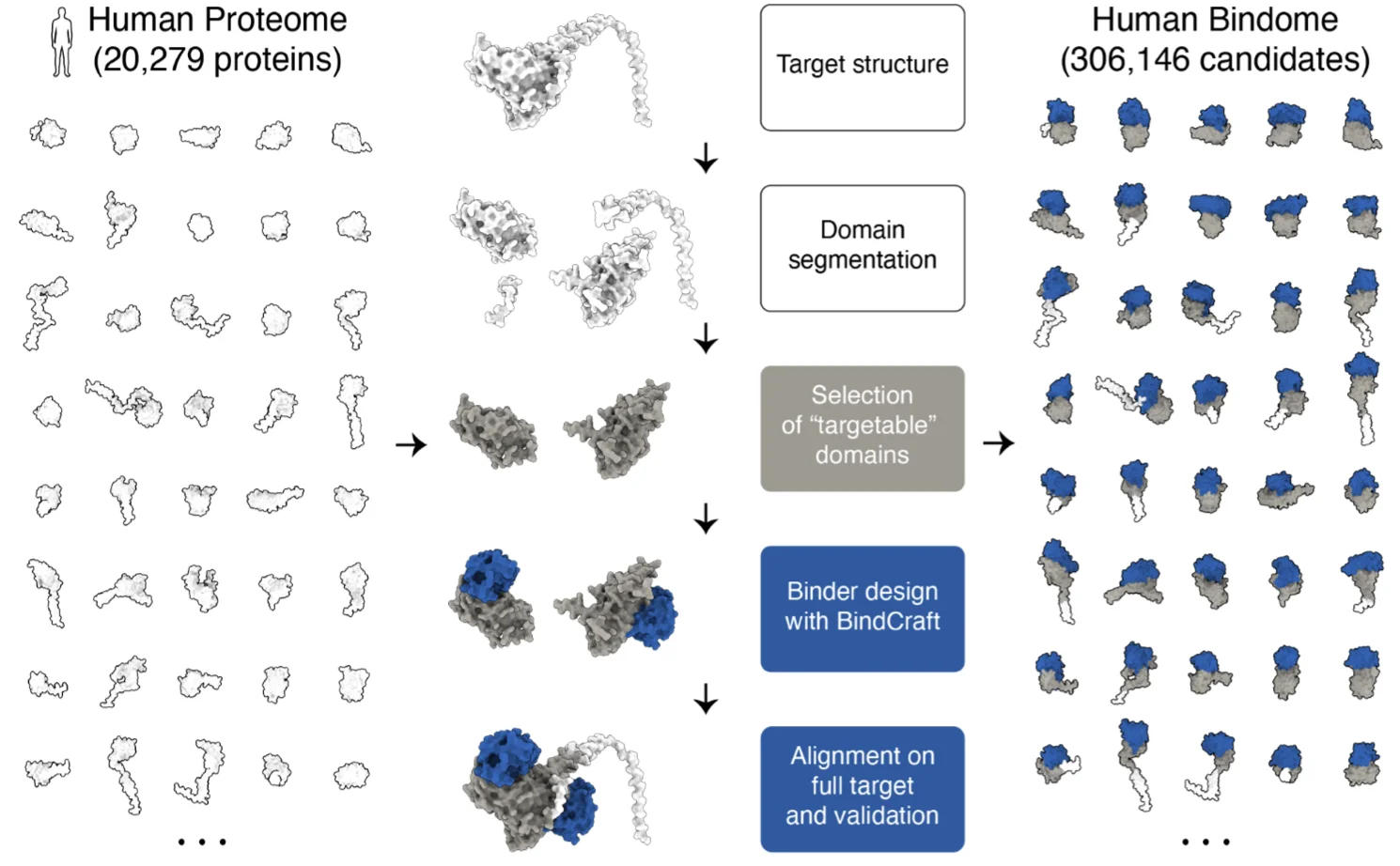
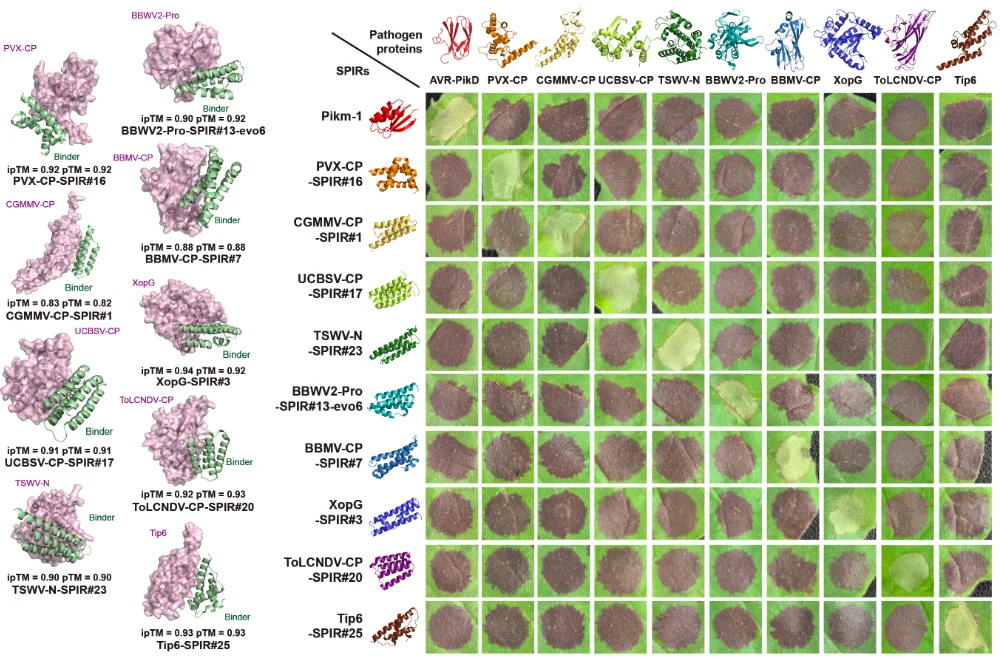
Inputs: structured domains, disordered regions, multiple targets at once, steer away from off-targets, and make molecular glues across targets
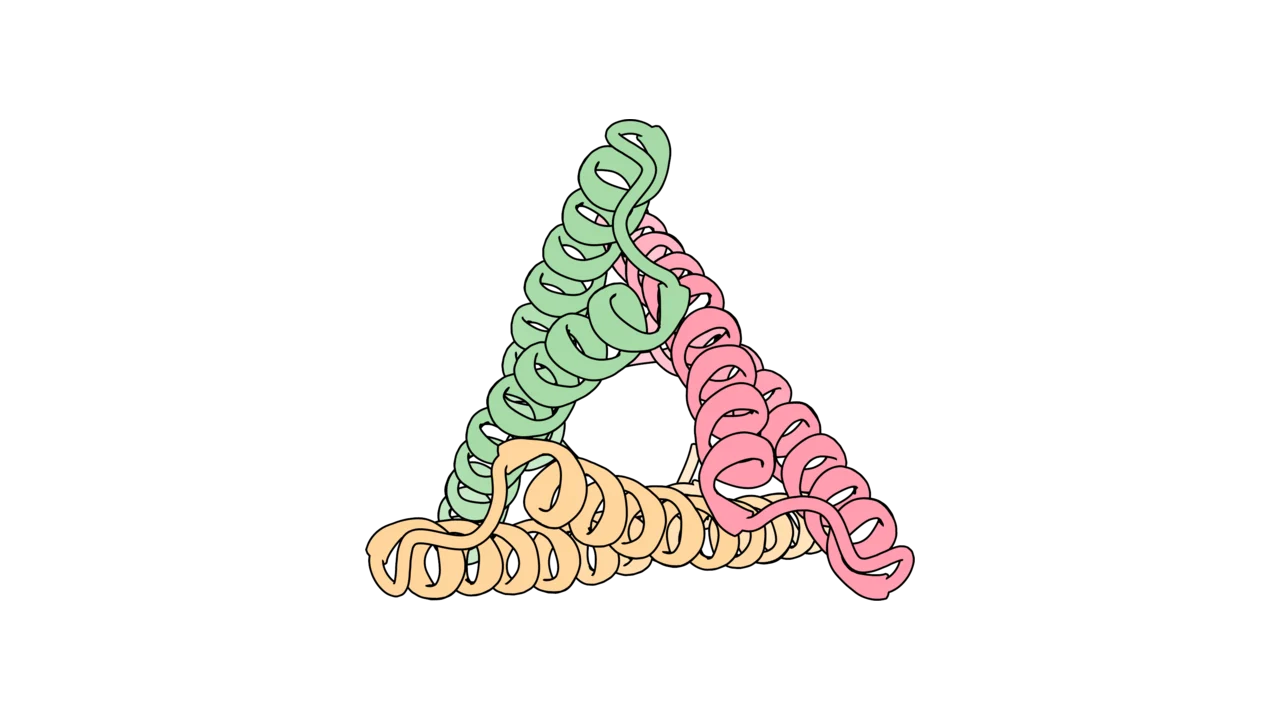
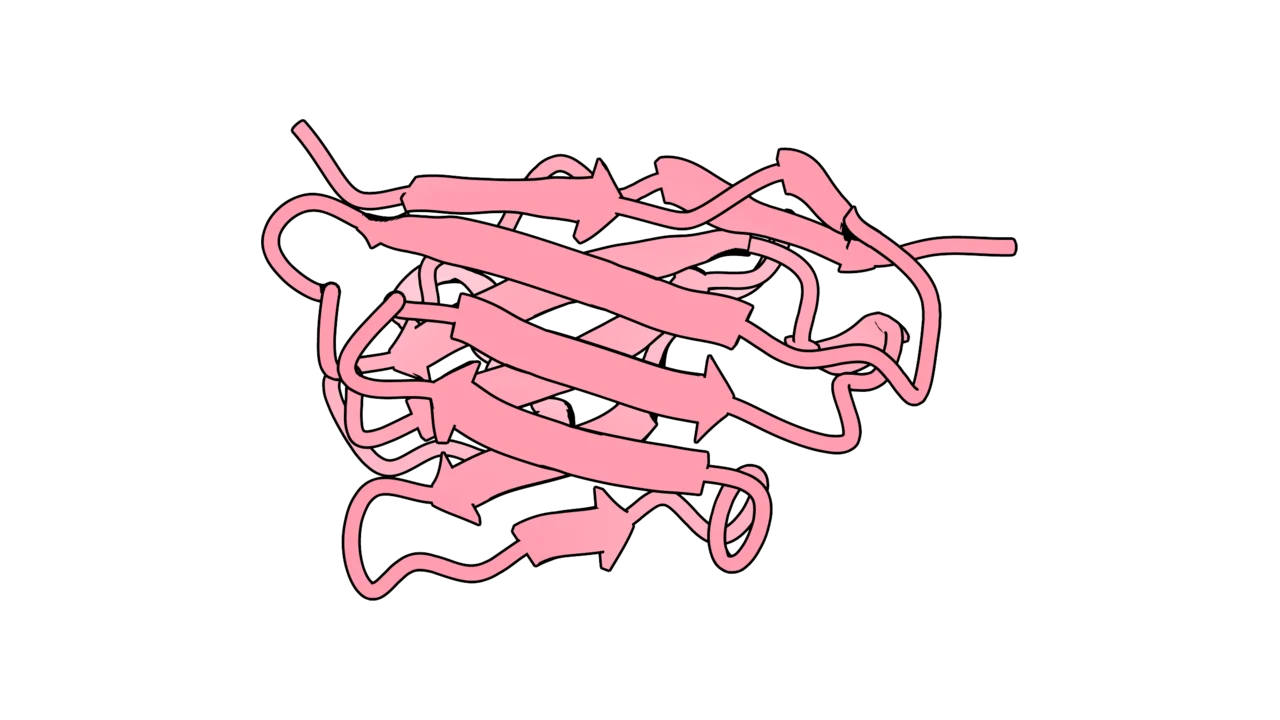
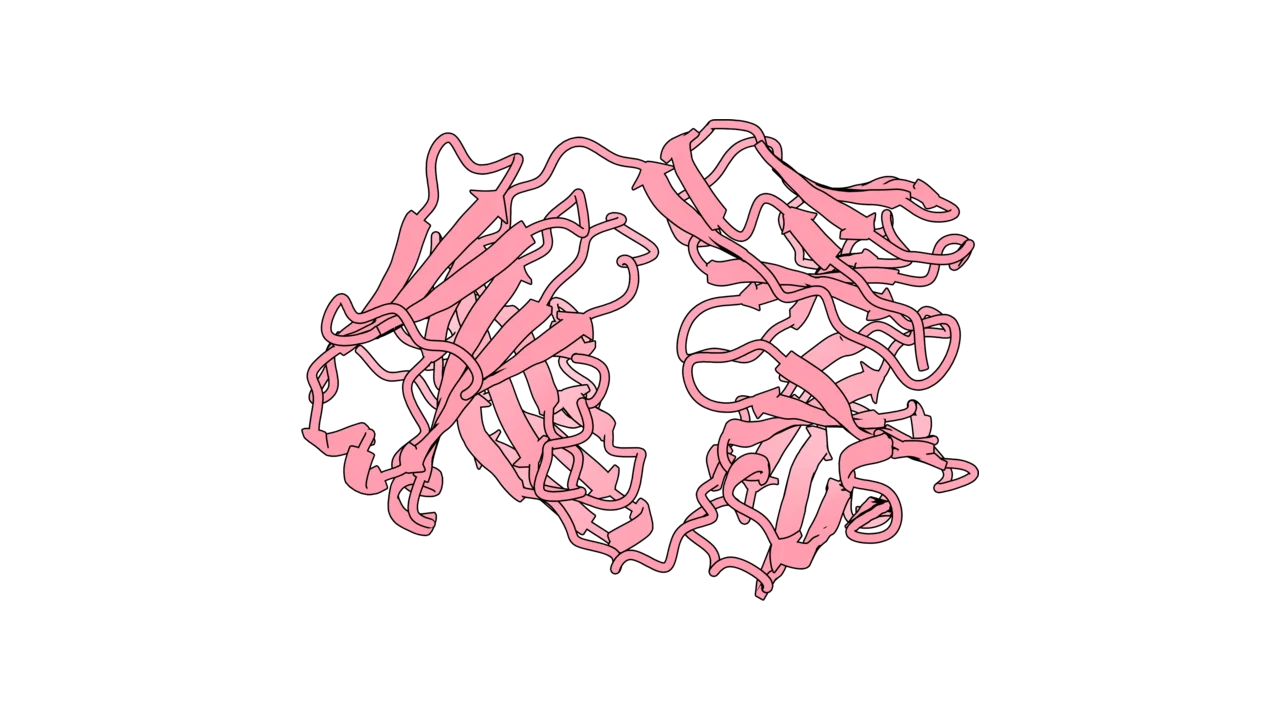
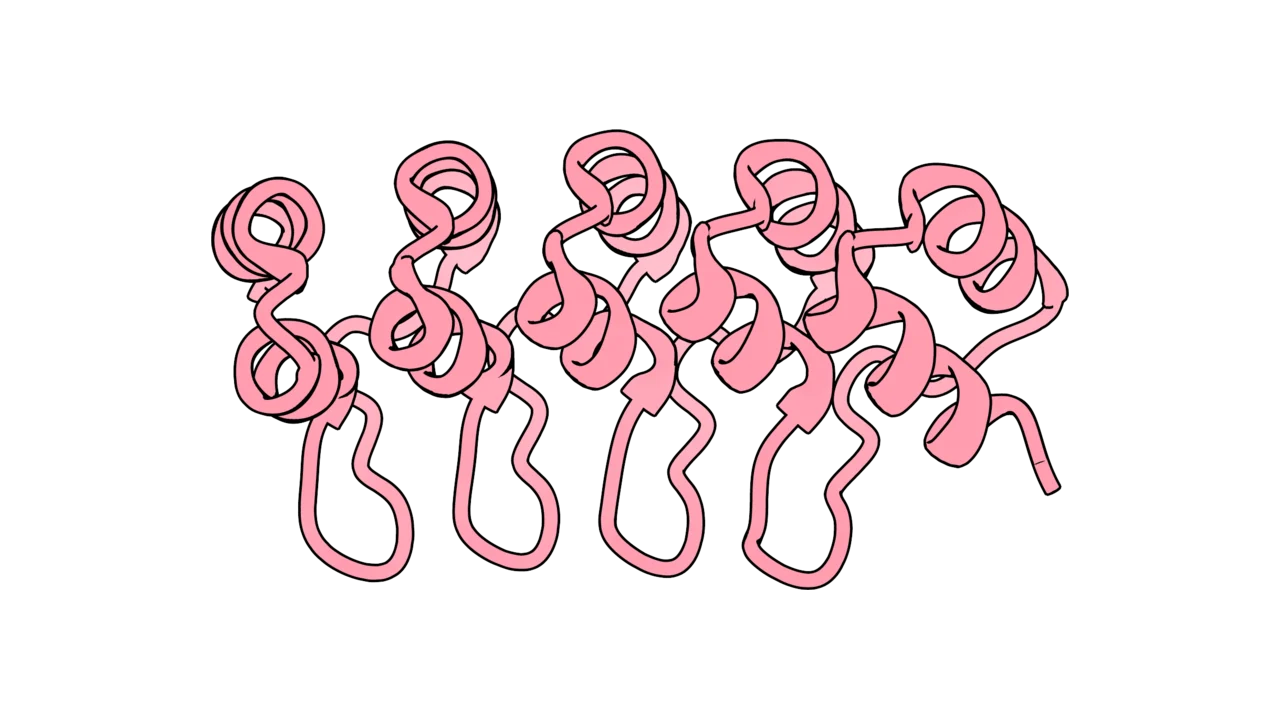
Outputs: miniproteins, linear peptides, cyclic peptides, large binders, VHHs, antibodies, ankyrin repeat proteins, homooligomers, multidomain binders
Induced fit accounted for on both the target and the binder side
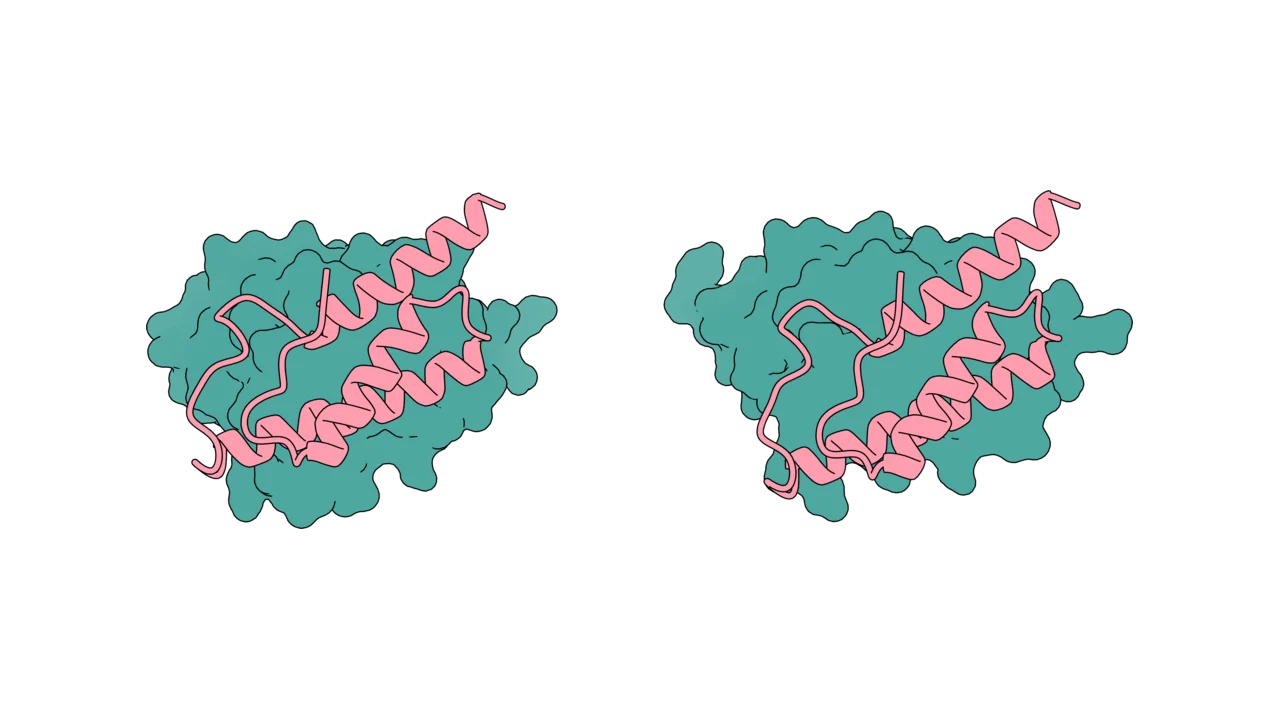
Design against a specific conformational state, for example the active form of a receptor, while detargeting from the inactive form
Research reagents and probes for detection, pulldowns and pathway perturbation
Therapeutic leads in miniprotein and antibody-fragment formats
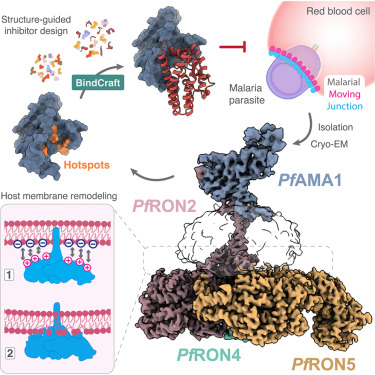
Large rigid binders that add mass to small targets for cryo-EM visualisation
A precise way to probe, regulate, and disrupt biological pathways
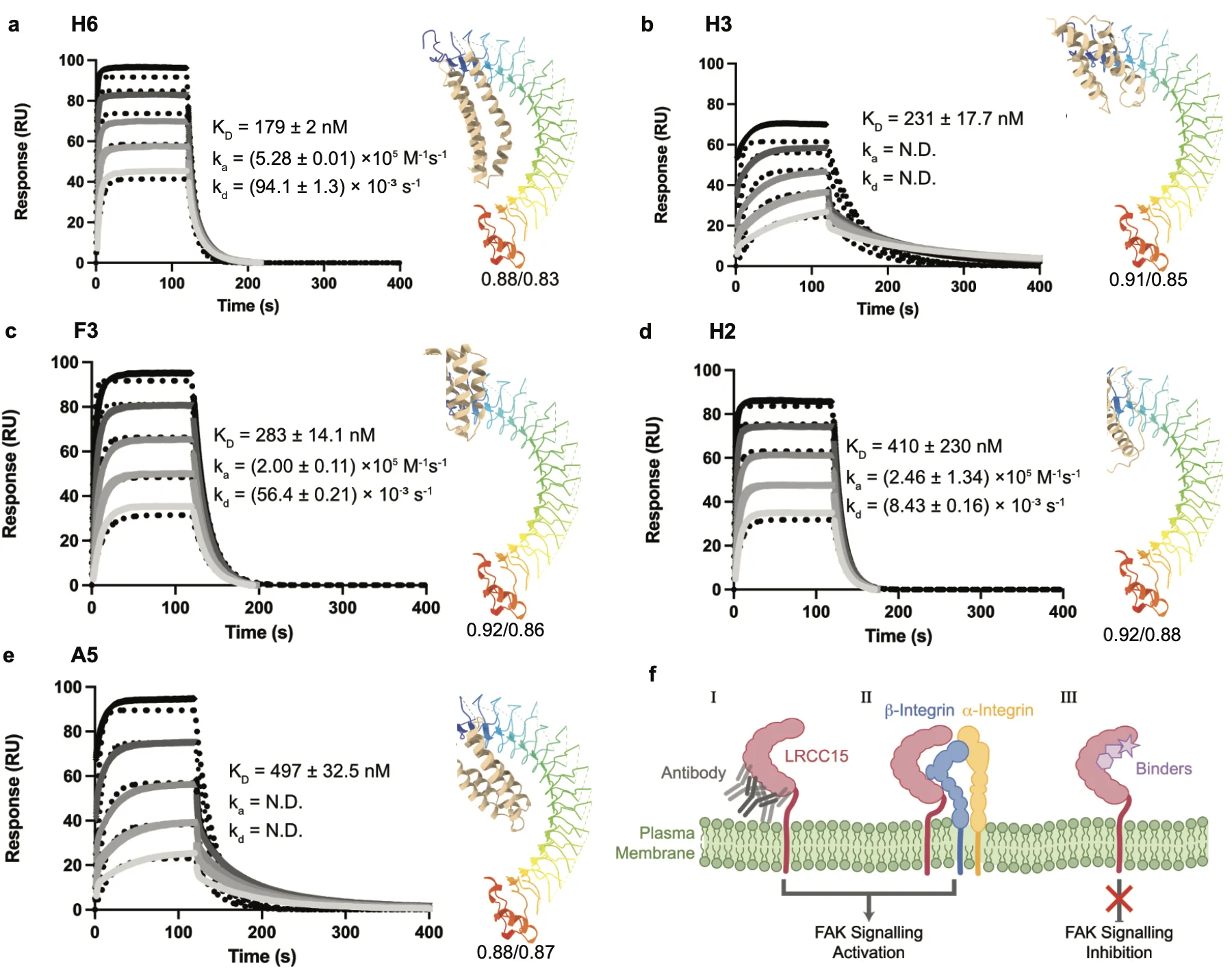
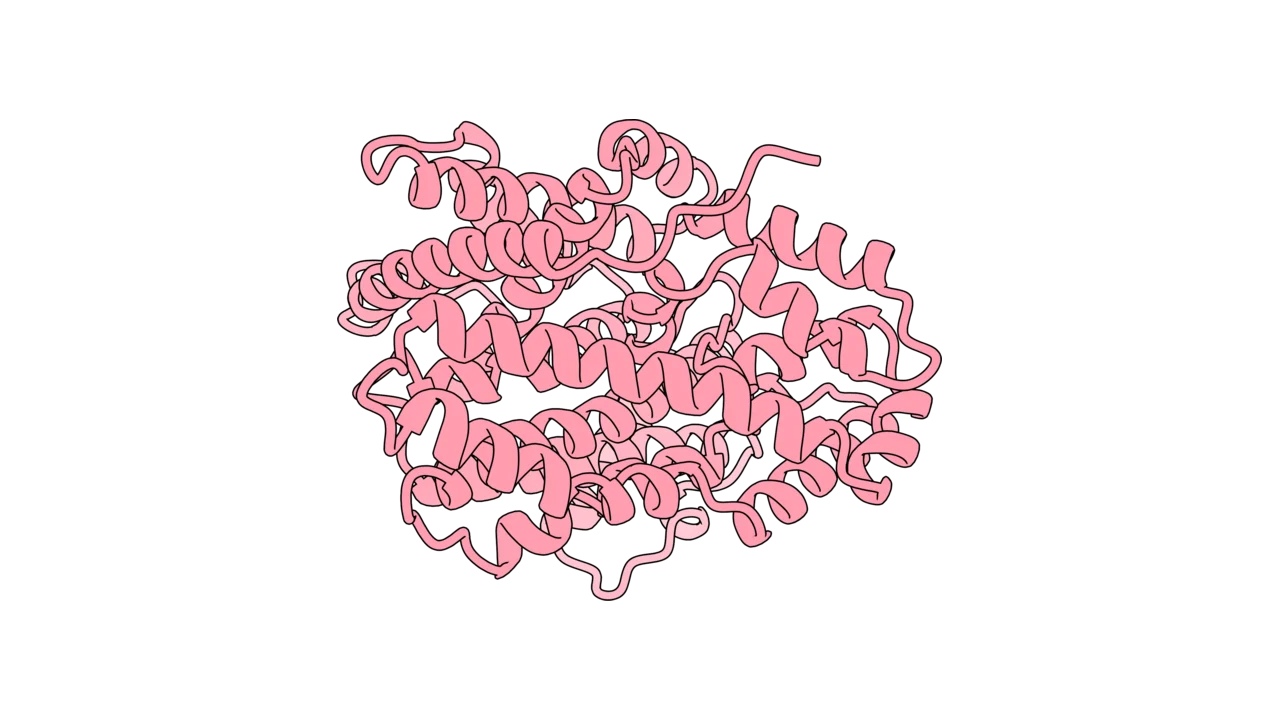
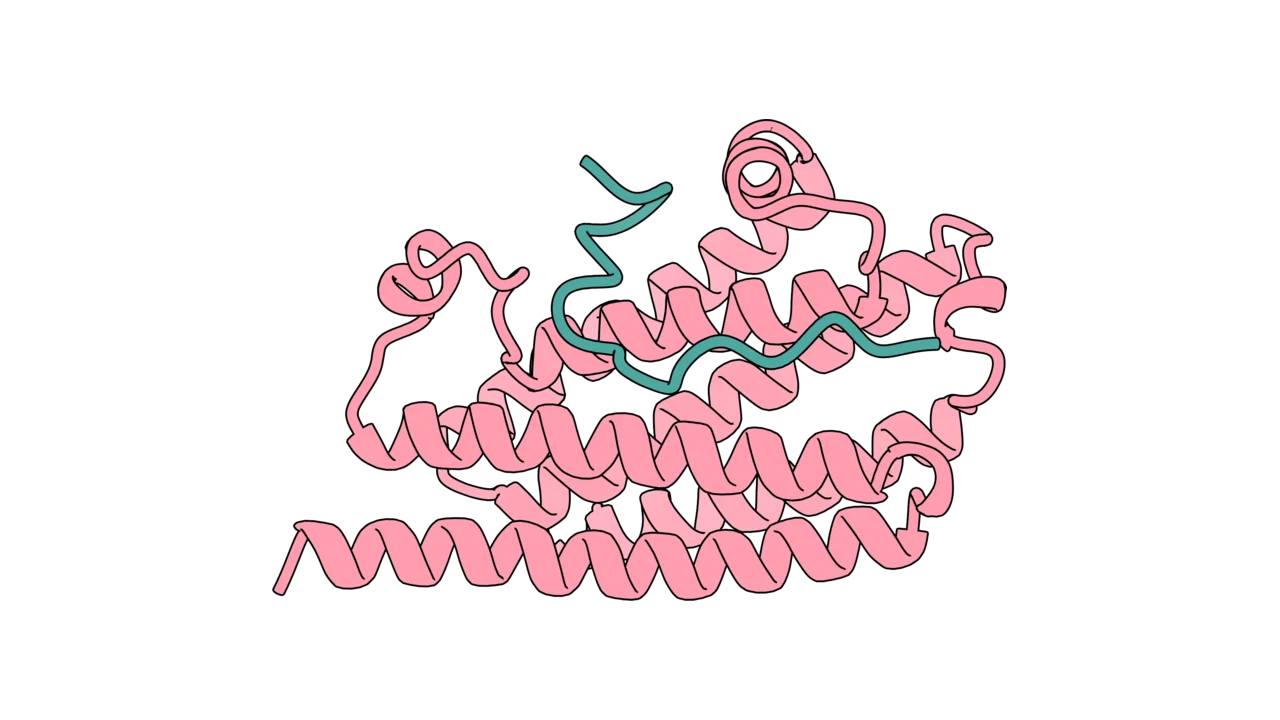
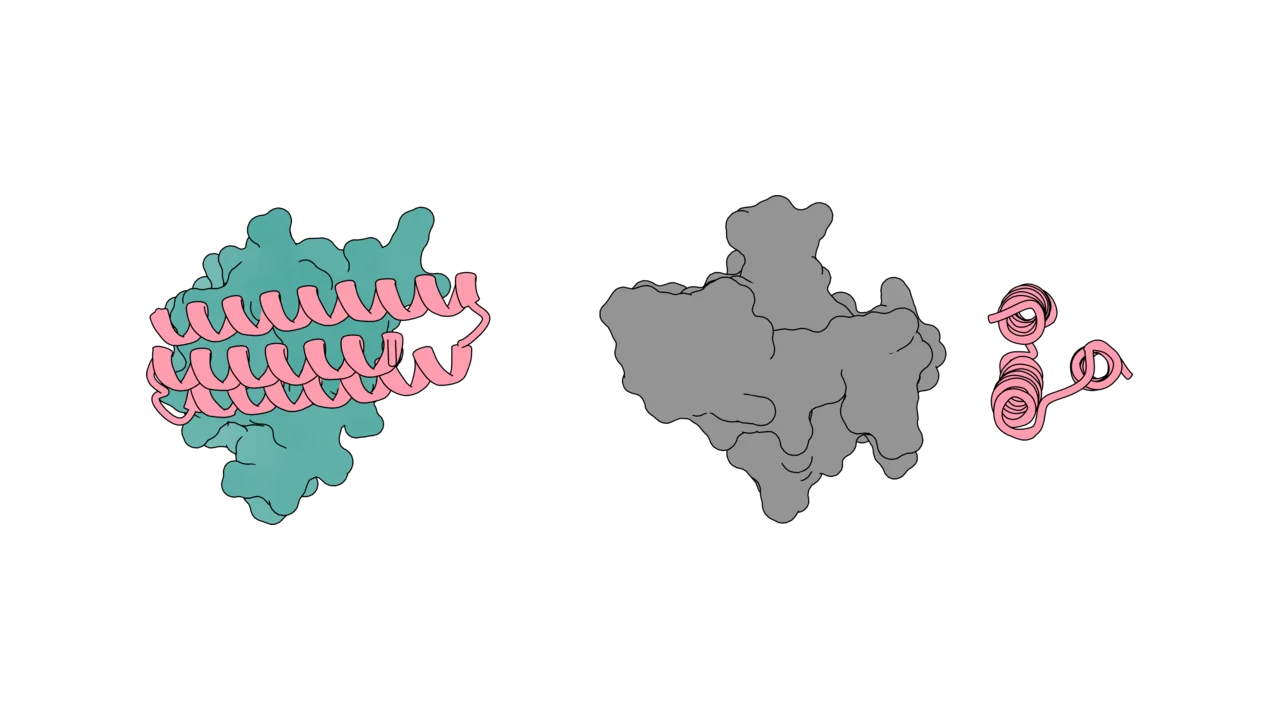
BindCraft2 can design binders even against disordered targets.

Optimise your binder's properties

Every campaign can be tuned with optional objectives that go beyond making a binder stick. Steer it onto a difficult epitope, humanise it for the clinic, harden it against proteases or lock in rigidity, and when a target is stubborn, BindCraft2 adapts on its own to still find candidates.

Forced targeting: pin binders onto stubborn, suboptimal epitopes
Humanisation: bias toward human-germline sequence with fewer immune liabilities
Protease resistance and designed disulfides for tougher, more rigid binders
Termini controls to keep chain ends free for tags, fusions and grafting
Desperation mode: keep iterating settings on hard target sites to achieve binding
Mix and match the objectives your experiment actually needs
A de novo designed scFv-format binder in BindCraft2.

Design modalities

One automated pipeline, many binder formats. Pick the one that matches your target and your downstream application.

Targets and inputs

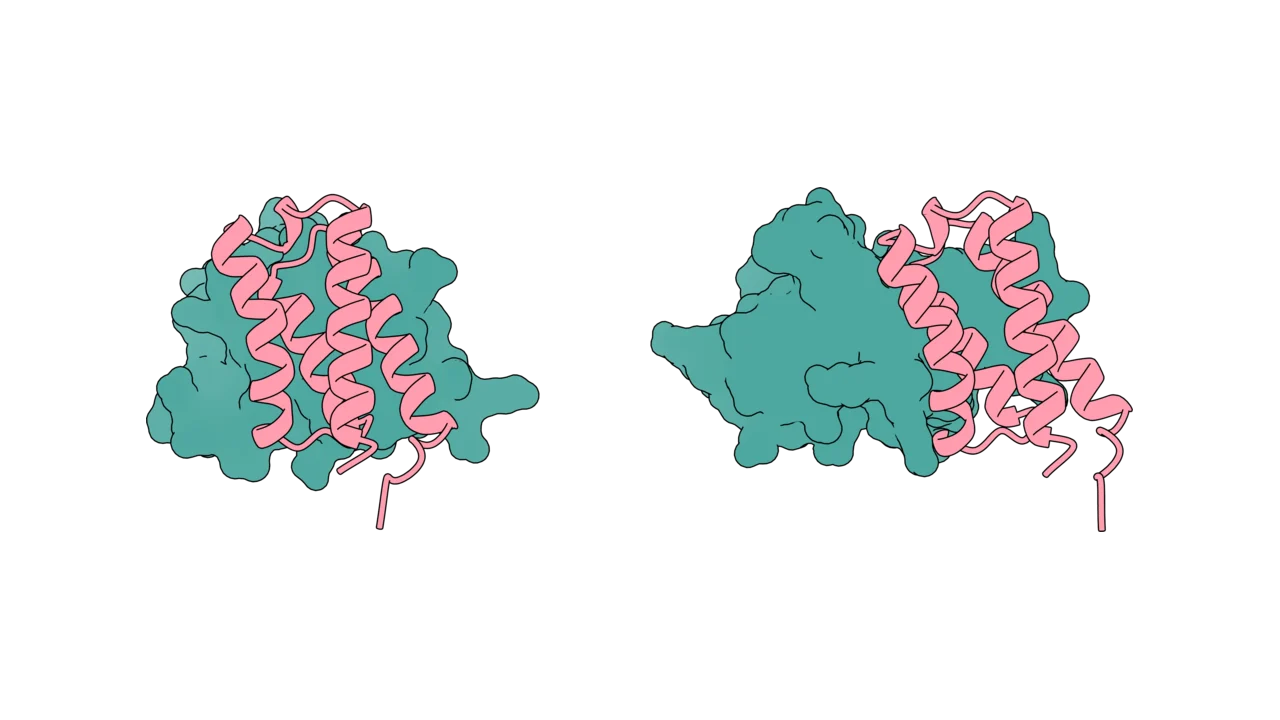
BindCraft2 works from many kinds of target inputs, and its multi-target optimisation is where it stands apart: design one binder against several proteins, across species, or against a divergent target while steering clear of its paralogs.

What it still can't do

BindCraft2 still only deals with pure protein-protein interactions. Main limitations include:

  • No accounting for ligands (PTMs, small molecule, nucleic acids, etc)
  • Only natural amino acids, in both the binder and the target
  • Ranking reflects the probability of binding, not predicted affinity
  • Some target sites are hard and may still yield few passing designs
  • Target and binder size remain limited by your GPU memory
  • Still expect to screen 2-20 designs in the wet lab

Publications that experimentally validated BindCraft designs

BindCraft2
MainComing soon

BindCraft2

Preprint in preparation

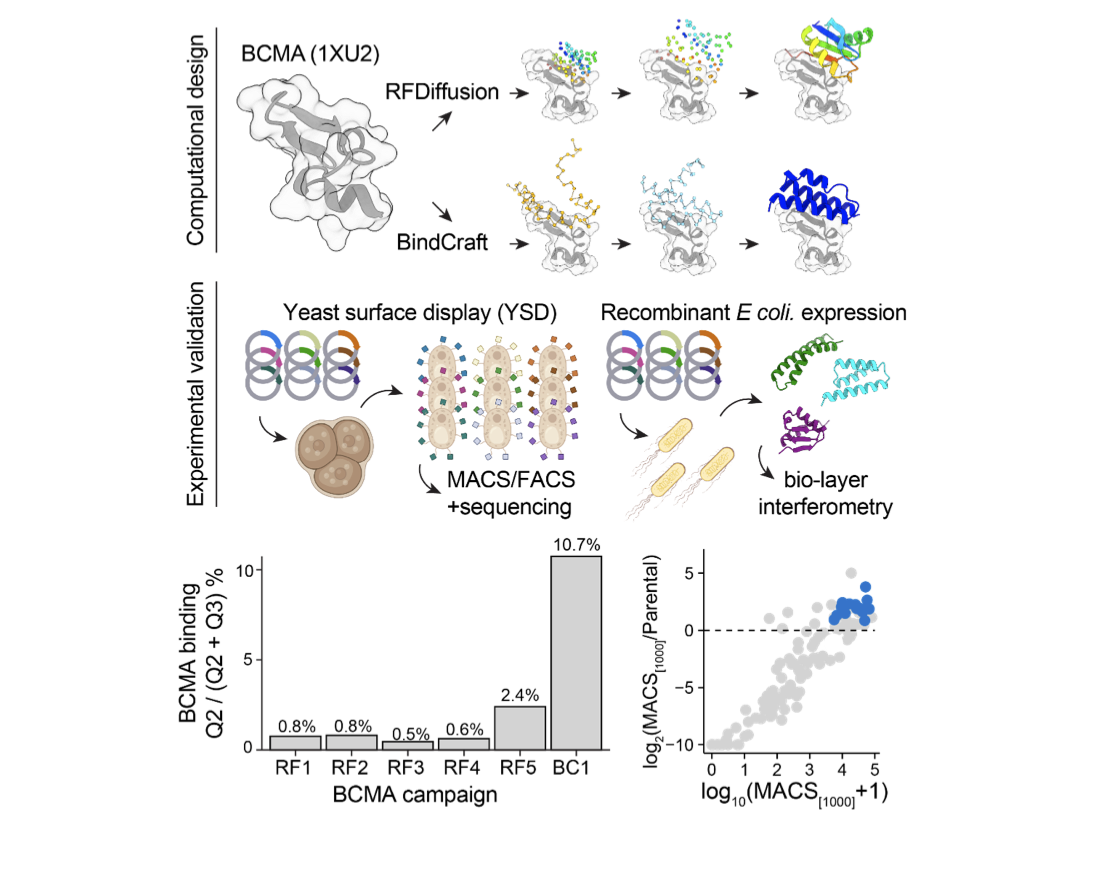
One-shot design of functional protein binders with BindCraft
MainAugust 27 2025

One-shot design of functional protein binders with BindCraft

Pacesa M*, Nickel L*, Schellhaas C*, Schmidt J, Pyatova K, Kissling L, Barendse P, Choudhury J, Kapoor S, Alcaraz-Serna A, Cho Y, Ghamary KH, Vinue L, Yachnin BJ, Wollacott AM, Buckley S, Westphal AH, Lindhoud S, Georgeon S, Goverde CA, Hatzopoulos GN, Gonczy P, Muller YD, Schwank G, Swarts DC, Vecchio AJ, Schneider BL, Ovchinnikov S, Correia BE

Induced Estrogen Receptor SUMOylation drives SERD activity
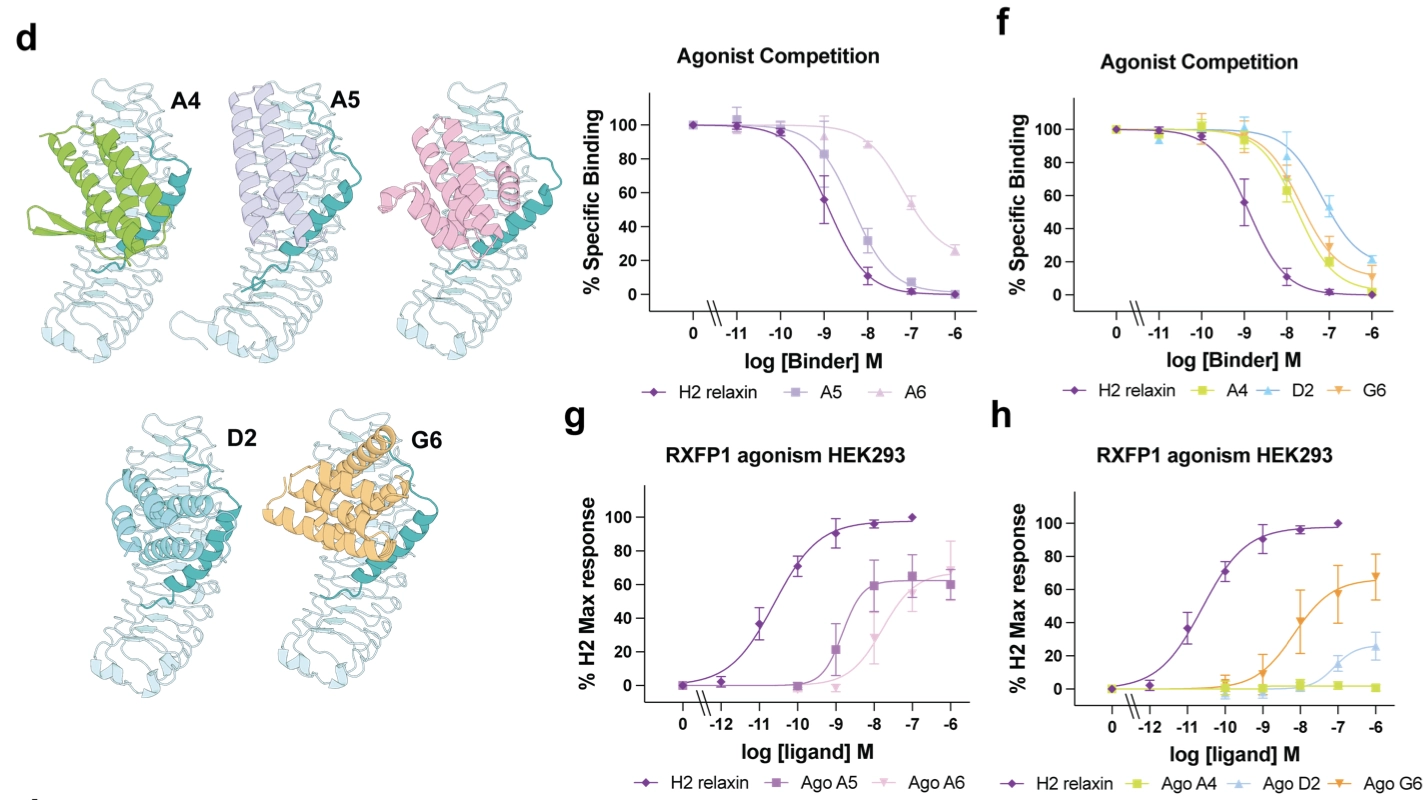
BC2 BindersJune 26 2026

Induced Estrogen Receptor SUMOylation drives SERD activity

Hinterndorfer M, Schätz C, Schmitt S, Schönlein M, Hoi DM, Krecioch I, Frommelt F, Shlei M, Kater L, Pacesa M, Munoz M, Kempf G, Kladnik K, Batty P, Imrichova H, Aguirre JD, Högler S, Cavadini S, Seruggia D, Correia BE, Obenauf AC, Thomä NH, Winter GE

Latent Generative Search unlocks de novo Design of Untapped Biomolecular Interactions at Scale
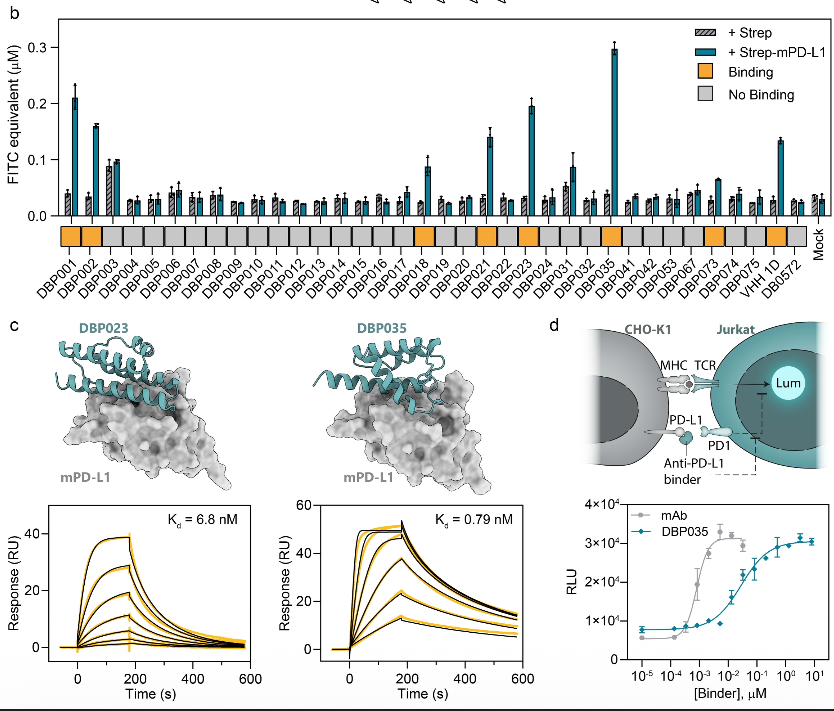
BC1 BindersMarch 16 2026

Latent Generative Search unlocks de novo Design of Untapped Biomolecular Interactions at Scale

Didi K, Reidenbach D, Penner M, Ravichandran S, Case M, Nichols M, Swanson E, Reis A, Prescott M, Qian Y, Qian D, Yang J, Li W, Li L, Shonai D, Gay S, Mallik BB, Chim HY, Chen L, Juantay MA, Klein H, Macintyre AU, Secor M, Granata D, Cao Z, Zhou G, Geffner T, Chen X, Livne M, Zhang Z, Zhang T, Gion K, Bronstein MM, Steinegger M, Deibler K, Soderling S, Khmelinskaia A, Hollfelder F, Dallago C, Kucukbenli E, Vahdat A, Ogden P, Kreis K

Crowdsourced Protein Design: Lessons From the Adaptyv EGFR Binder Competition
BC1 BindersApril 24 2025

Crowdsourced Protein Design: Lessons From the Adaptyv EGFR Binder Competition

Cotet T-S, Krawczuk I, Stocco F, Ferruz N, Gitter A, Kurumida Y, Machado LA, Paesani F, Calia CN, Challacombe CA, Haas N, Qamar A, Correia BE, Pacesa M, Nickel L, Subr K, Castorina LV, Campbell MJ, Ferragu C, Kidger P, Hallee L, Wood CW, Stam MJ, Klounis T, Unal SM, Belot E, Naka A, Adaptyv Competition Organizers